
%20Clean%20(1.png)
Fall Exterior Maintenance: 7 Repairs to Make Before Winter Weather Arrives

Fall in Southern California does not always bring dramatic temperature changes, but it does provide property owners with an important opportunity.
After months of sunshine and dry weather, fall is a great time to take a closer look at your building's exterior and address areas that have deteriorated throughout the year.
The exterior of a property acts as its first line of defense against sun, wind, moisture, and changing weather conditions. When exterior materials begin cracking, separating, or deteriorating, those small vulnerabilities can eventually allow water and moisture into areas they were never meant to reach.
For homeowners and commercial property managers, taking care of exterior repairs during fall can help protect the building as conditions change.
Here are seven areas worth checking.
1. Repair Cracked or Damaged Stucco
Stucco is common throughout Southern California, but exposure to heat, sunlight, building movement, and normal aging can lead to cracks over time.
Not every small crack indicates a serious structural problem. However, larger cracks, recurring cracks, crumbling material, or areas where stucco appears to be separating deserve attention.
Cracks can also create vulnerable areas where moisture may enter during wet weather.
Repairing damaged stucco can improve the appearance of a property while helping maintain the exterior barrier protecting the building underneath.
2. Replace Deteriorated Exterior Sealants
Sealants and caulking are easy to overlook because they make up such a small portion of the exterior.
But they can play an important role around windows, doors, joints, penetrations, and transitions between different building materials.
Over time, exterior sealants can crack, separate, shrink, or deteriorate.
Walk around your property and look for obvious gaps or damaged material around openings.
Replacing failed sealants before wet weather arrives can help reduce opportunities for water intrusion.
3. Repair Damaged Siding and Exterior Trim
Damaged siding or trim should not be treated as purely cosmetic.
Depending on the building, exterior materials help protect underlying components from environmental exposure.
Look for loose pieces, cracks, damaged edges, deteriorated wood, peeling finishes, or sections that appear different from the surrounding area.
Small exterior repairs completed early may help prevent larger areas from becoming damaged later. Fall Maintenance
4. Check Windows and Doors
Windows and doors create natural openings in your building envelope.
That makes the materials surrounding them especially important.
Inspect exterior trim, sealants, flashing where visible, and the surfaces around windows and doors.
Inside the property, look for signs that water may have entered previously, including staining, bubbling paint, damaged drywall, or discoloration.
If the same window leaks every time it rains, repainting the interior stain is not solving the actual problem.
The source of the water intrusion needs to be identified and repaired.
5. Address Concrete and Walkway Damage With Fall Maintenance
Cracked and uneven concrete can affect both the appearance and safety of a property.
Walk around sidewalks, entryways, patios, stairs, and other paved areas looking for significant cracks, deterioration, uneven surfaces, or damage.
For commercial properties, walking surfaces deserve particular attention because employees, customers, tenants, and visitors may use them every day.
Some cracking is normal as concrete ages, but significant movement or deterioration should be professionally evaluated.
6. Look for Damaged Exterior Wood
Wood trim, fascia, railings, doors, and other exterior wood components can deteriorate when protective coatings fail or moisture reaches the material.
Look for peeling paint, discoloration, cracking, softness, separation, or visible deterioration.
Damaged wood should be evaluated to determine how extensive the problem is and whether moisture is contributing to the condition.
Simply painting over deteriorated material may temporarily improve its appearance without addressing the actual damage underneath.
7. Repair Evidence of Previous Water Intrusion
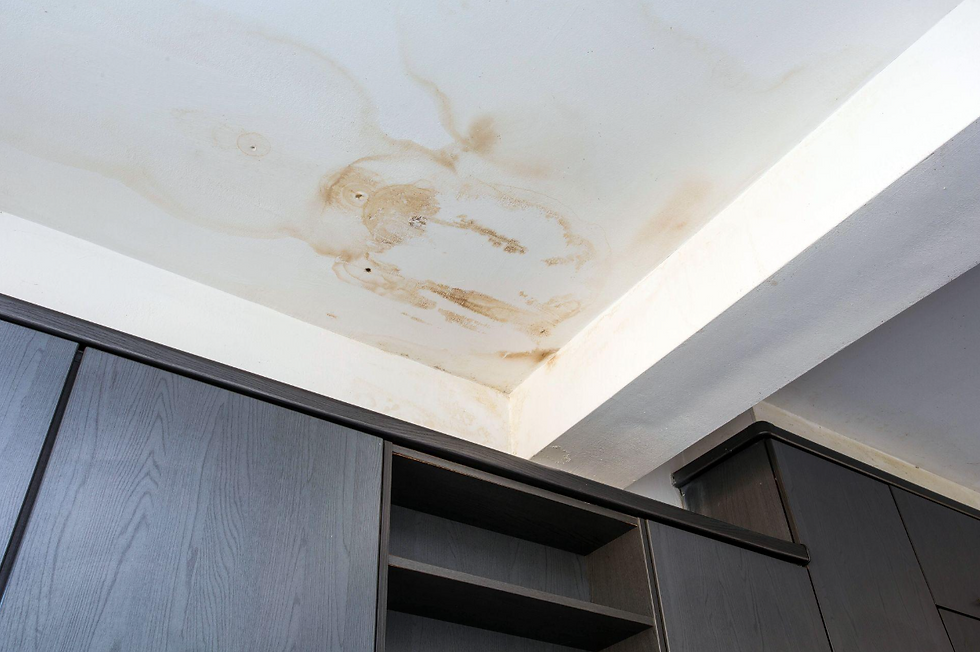
If your property leaked last winter, now is the time to make sure the problem was actually fixed.
Look inside the building for old ceiling stains, damaged drywall, warped materials, bubbling paint, or other evidence of previous moisture.
A dry summer can make an unresolved leak easy to forget.
But if the original entry point was never repaired, the next period of wet weather may bring the exact same problem back.
Water intrusion can spread beyond the area where the stain first appears and potentially affect insulation, drywall, framing, flooring, and other materials.
Identifying and correcting the source is essential.
Think of Your Building Exterior as One Protective System
A property is made up of many different materials, but those materials need to work together.
Roofing connects to walls.
Windows and doors interrupt exterior surfaces.
Pipes and utilities penetrate walls.
Sealants protect transitions.
Drainage systems move water away.
When one area fails, it can affect materials around it.
That is why preventative exterior maintenance should focus on the entire building envelope, not simply one individual component.
Fall Is the Time to Take Care of the Repairs You Put Off During Summer
Small exterior projects are easy to postpone.
A little cracked stucco.
A damaged piece of trim.
Old caulking around a window.
A ceiling stain from last winter.
When the weather is dry, these issues may not seem urgent. But fall is the perfect reminder that conditions will eventually change.
Taking care of vulnerable areas now can help protect your property and reduce the likelihood of discovering them again during bad weather.
Protect Your Property With Horn’s Construction
At Horn’s Construction, we help residential and commercial property owners throughout Southern California repair, restore, remodel, and improve their properties.
Our team handles construction repairs, water damage reconstruction, exterior improvements, interior renovations, and larger residential and commercial construction projects with a focus on quality workmanship and long-lasting results.
If you have been putting off an exterior repair, noticed evidence of previous water damage, or simply want to address an area before winter, contact Horn’s Construction today.
The best time to fix a vulnerable part of your building is before the weather finds it for you.


Comments