
%20Clean%20(1.png)
What Happens After Water Damage? A Step-by-Step Guide to Property Reconstruction

Water damage can turn an ordinary day into a stressful situation for homeowners, business owners, and commercial property managers.
Whether the damage was caused by a burst pipe, an overflowing fixture, a roof leak, or another unexpected event, the cleanup process is only the beginning.
Once the water has been removed and affected areas have been properly dried, property owners may still be left with damaged drywall, flooring, insulation, cabinetry, ceilings, or other building materials.
This is where water damage reconstruction becomes an important part of restoring the property.
At Horn's Construction, we help residential and commercial property owners repair and rebuild spaces affected by water damage.
Understanding what happens during reconstruction can help you feel more prepared for the process.
Step 1: Identify and Address the Source of Water Damage
Before reconstruction begins, the source of the water damage must be identified and addressed.
Depending on the situation, the damage may have originated from:
Burst or leaking pipes
Water heater failures
Sewer backups
Roof leaks
Overflowing fixtures
Appliance failures
Exterior water intrusion
Repairing damaged walls or flooring without addressing the original source may allow the same problem to happen again.
For plumbing-related problems, Horn's Backflow & Plumbing can help identify and repair the source of the leak.
Step 2: Remove Water and Address Moisture
Once the source has been controlled and the area is safe to enter, water mitigation and drying may begin.
This process can involve removing standing water, evaluating affected materials, using appropriate drying equipment, and monitoring moisture conditions.
The required work depends on the type of water involved, the extent of the damage, and which building materials were affected.
Some materials may be salvageable, while others may require removal.
For water damage mitigation and related restoration services, Horn's Water Restoration can assist with the appropriate response.
Step 3: Evaluate the Extent of the Damage
After mitigation, the property may need further evaluation to determine what repairs are necessary.
Water can affect materials that are not immediately visible.
Depending on the circumstances, the reconstruction scope may include:
Drywall replacement
Insulation replacement
Flooring repairs
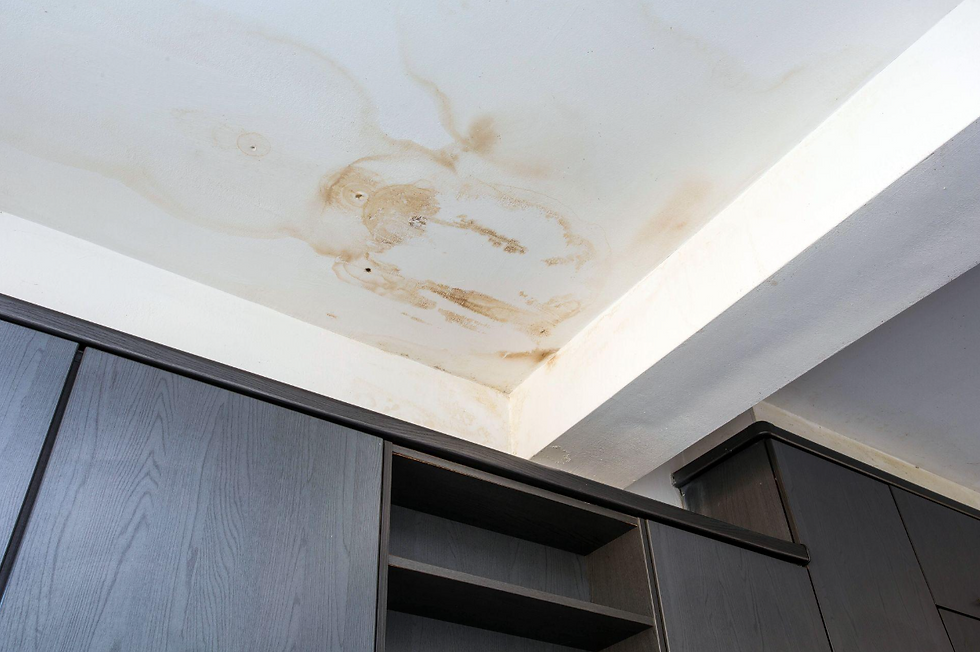
Ceiling repairs
Baseboards and trim
Cabinetry
Interior painting
Framing repairs
Other affected building components
The goal is to determine what needs to be repaired or replaced to restore the affected area properly.
Step 4: Develop a Reconstruction Plan
Once the extent of the damage is understood, a reconstruction plan can be developed.
This may include reviewing the necessary repairs, materials, project scope, anticipated timeline, and any applicable permitting requirements.
For commercial properties, additional planning may be necessary to reduce disruption to tenants, employees, or business operations.
A clear plan helps establish expectations before construction begins.
Step 5: Repair or Replace Damaged Building Materials
Reconstruction work can begin once the property is ready and any required approvals are in place.
Depending on the project, this may involve replacing insulation, repairing framing, installing drywall, restoring ceilings, or rebuilding other damaged components.
Each property is different.
A small leak affecting one section of drywall may require a relatively limited repair, while a major flooding event may involve several rooms or multiple building systems.
The reconstruction process should be based on the actual condition of the property rather than a one-size-fits-all approach.
Step 6: Restore Flooring, Walls, and Interior Finishes
After the necessary underlying repairs are completed, attention can shift to restoring the finished appearance of the space.
This may include drywall finishing, texturing, painting, flooring installation, trim replacement, and other finishing work.
For homeowners, this stage helps the damaged room begin to feel like home again.
For commercial property owners, it brings the building closer to being ready for normal use.
Matching existing finishes and coordinating materials can also be an important part of achieving a professional result.
Step 7: Complete Final Inspections and Project Review
Before a reconstruction project is considered complete, the finished work should be reviewed.
Depending on the scope, this may involve checking workmanship, confirming completion of agreed repairs, addressing remaining details, and obtaining any required inspections or approvals.
The goal is to return the affected area to a safe, functional, and properly restored condition.
How Long Does Water Damage Reconstruction Take?
One of the most common questions property owners ask is how long the process will take.
The answer depends on several factors, including:
The size of the affected area
The extent of damage
Required demolition and drying
Material availability
Permits or inspections
Structural repairs
Project complexity
A small drywall repair may be relatively straightforward, while a larger reconstruction project can require significantly more planning and coordination.
Your contractor should communicate the anticipated scope and schedule as the project develops.
Can Insurance Cover Water Damage Reconstruction?
Some water damage repairs may be covered by property insurance, depending on the policy and circumstances of the loss.
Coverage varies, and not every source of water damage is covered.
Property owners should review their policy and communicate directly with their
insurance provider to understand applicable coverage, deductibles, and documentation requirements.
A construction contractor can help explain the proposed repair scope, but coverage decisions are made by the insurer under the terms of the policy.
Why Choosing the Right Reconstruction Contractor Matters
Water damage reconstruction is about more than making a room look new again.
A successful project should address damaged materials, restore functionality, and coordinate the necessary work after the moisture problem has been resolved.
Working with an experienced construction team can help property owners navigate the repair process and understand what to expect along the way.
From Water Damage to a Restored Property
Water damage can affect a property unexpectedly, but the recovery process does not have to end with cleanup.
At Horn's Construction, we help residential and commercial property owners throughout Southern California rebuild and restore damaged spaces.
As part of the Horn's family of companies, we understand the importance of addressing the full scope of a water damage problem.
Horn's Backflow & Plumbing can assist with plumbing-related causes, Horn's Water Restoration provides water damage mitigation services, and Horn's Construction helps repair and reconstruct affected building materials.
Whether your property needs drywall replacement, flooring repairs, ceiling restoration, or a larger reconstruction project, our team is ready to help.
Contact Horn's Construction today to discuss your water damage reconstruction needs and take the next step toward restoring your property.


Comments