
%20Clean%20(1.png)
Cracks in Your Walls? How to Tell When Your Property Needs Professional Repairs

Discovering a crack in your walls can be concerning, especially when you are unsure whether it is a minor cosmetic issue or sign of something more serious
Cracks can appear in drywall, plaster, stucco, and other building materials for several reasons. Some develop from normal material movement or changes in temperature and humidity, while others may indicate moisture damage, settlement, or structural concerns.
For homeowners, commercial property owners, and property managers, knowing what to look for can help determine when professional evaluation is necessary.
At Horn's Construction, we help residential and commercial property owners repair damaged building materials and restore their spaces with quality workmanship.
Here are some common types of wall cracks and what they may indicate.
1. Hairline Cracks in Drywall
Small hairline cracks are relatively common in buildings.
They may develop around drywall joints, corners, ceilings, or areas where different materials meet.
In some cases, these cracks are cosmetic and can be addressed with appropriate drywall repair and finishing techniques.
However, cracks that repeatedly return after repair, continue widening, or appear alongside other symptoms may deserve further evaluation.
The location and progression of the crack are often more informative than its appearance alone.
2. Cracks Around Windows and Doors
Cracks near windows and door frames can occur for several reasons, including movement, installation issues, and changes in building materials.
A small crack does not automatically indicate a structural problem.
However, diagonal cracks that grow over time, doors that suddenly begin sticking, or windows that become difficult to operate may indicate movement that should be investigated.
If multiple warning signs appear together, a qualified building professional or structural engineer may need to evaluate the condition.
3. Vertical and Horizontal Wall Cracks
The direction of a crack can provide clues about how building materials are moving, but it does not establish the cause on its own.
Vertical cracks may occur along drywall joints or in areas experiencing movement.
Horizontal cracks can also have different causes depending on the wall material and location.
Cracks in load-bearing masonry, concrete, or foundation walls may require more specialized evaluation than cosmetic cracks in drywall.
Property owners should avoid assuming that any particular crack pattern is harmless without considering the surrounding conditions.
4. Cracks That Continue Getting Larger
One of the most important warning signs is change over time.
A small crack that remains unchanged for years may be less concerning than one that noticeably widens over several weeks or months.
If you discover a crack, consider documenting its location and appearance with dated photographs.
Pay attention to whether new cracks develop nearby or whether existing cracks begin spreading.
Significant or progressive movement should be professionally evaluated before cosmetic repairs are attempted.
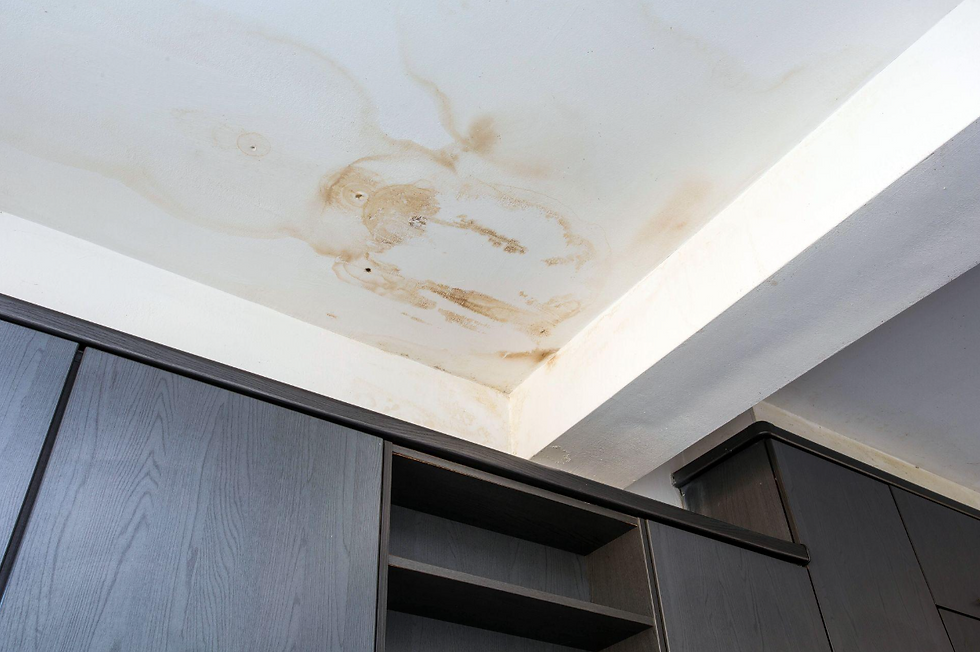
5. Cracks Accompanied by Water Damage
Cracks near water stains, bubbling paint, damp drywall, or other signs of moisture may indicate an additional problem.
Water intrusion can damage building materials and contribute to deterioration.
If the area has experienced a roof leak, plumbing leak, or exterior water intrusion, the source of the moisture should be identified and addressed before repairing the wall.
Replacing or refinishing drywall without correcting the underlying moisture problem may lead to recurring damage.
6. Exterior Stucco Cracks
Stucco is commonly used on residential and commercial buildings throughout Southern California.
Over time, cracks can develop due to movement, aging, installation conditions, or environmental exposure.
While some small cracks may be cosmetic, significant cracking, separation, bulging, or areas of deteriorated stucco can create concerns.
Damaged exterior materials may also allow water to reach underlying components, depending on the condition of the wall assembly.
A professional inspection can help determine whether the affected area needs repair or more extensive work.
7. Cracks Along Ceilings and Wall Joints
Cracks sometimes appear where walls meet ceilings or along drywall seams.
These areas may experience movement as building materials respond to changing conditions.
However, recurring cracking, separation, sagging, or visible deformation may require further investigation.
If a ceiling is sagging or appears unstable, keep people away from the affected area and arrange prompt professional evaluation.
8. When Should You Call a Professional to Repair?
Not every wall crack requires major construction work.
However, professional evaluation is especially important when you notice:
Cracks that are rapidly widening
Significant separation between building materials
Multiple new cracks appearing together
Doors or windows suddenly becoming difficult to operate
Bulging or leaning walls
Cracks accompanied by water intrusion
Visible foundation or structural movement
Damage that repeatedly returns after repairs
If structural movement is suspected, a licensed structural engineer may be needed to determine the cause and appropriate repair approach.
Why Simply Covering a Crack May Not Be Enough
It can be tempting to fill a crack, sand it smooth, and repaint the wall.
For a truly cosmetic crack, that may be an appropriate part of the repair.
But when cracking is caused by ongoing movement, moisture, or another underlying problem, cosmetic repairs alone may not provide a lasting solution.
The correct repair depends on understanding why the crack developed in the first place.
Professional Wall Repairs and Construction Services
At Horn's Construction, we help residential and commercial property owners throughout Southern California with drywall repairs, interior renovations, exterior repairs, stucco work, water damage reconstruction, and other construction projects.
As part of the family and veteran-owned Horn's group of companies, our team values quality workmanship, clear communication, and identifying the source of a problem before completing repairs.
Whether you have noticed damaged drywall, cracked stucco, previous water damage, or another construction concern, our team can help evaluate the repair needs and coordinate appropriate next steps.
Don't Ignore Changes in Your Property
A crack in your wall does not always mean something serious is happening.
However, paying attention to its location, size, progression, and surrounding conditions can help you recognize when professional evaluation is necessary.
Addressing damage early can help property owners make informed repair decisions and avoid repeatedly covering up the same problem.
Contact Horn's Construction today to discuss your wall repair, stucco repair, or property reconstruction needs.


Comments