
%20Clean%20(1.png)
What to Check Around Your Property Before the First Fall Rain

After months of Southern California sunshine, the first real rain of the season can reveal property problems that have gone unnoticed all summer.
A small opening in an exterior wall, deteriorated sealant around a window, damaged roofing material, or poor drainage may not seem particularly important when the weather is dry. Once rain arrives, however, those vulnerable areas can become pathways for water intrusion.
That is why early fall is a great time for homeowners and commercial property managers to walk around their properties and look for potential problems.
Here are some areas worth checking before the first significant rainfall.
1. Look for Cracks and Damage Around the Exterior
Start by walking around the building and looking closely at the exterior walls.
Pay attention to cracked stucco, damaged siding, deteriorated exterior finishes, openings around penetrations, and areas where materials appear to be separating.
Not every small crack indicates a major structural problem, but damaged exterior materials can create vulnerable areas where water may enter.
If you notice significant cracking or deterioration, having the area evaluated before rain arrives can help prevent additional damage.
2. Prepare Windows and Exterior Doors
Windows and doors are common areas for water intrusion when surrounding materials begin to fail.
Look at the caulking, sealants, trim, and surrounding surfaces. Cracked or separated sealants may no longer provide the protection they once did.
Inside, check around windows for staining, bubbling paint, damaged drywall, or evidence of previous moisture.
If you experienced a leak around a window last winter, do not assume the problem disappeared simply because the area has been dry all summer.
3. Look Up at Your Roof Before Fall
You do not necessarily need to climb onto your roof to notice obvious problems.
From a safe location, look for missing or damaged roofing materials, debris, damaged edges, or anything that appears different from surrounding areas.
If your building has experienced previous roof leaks or you have concerns about its condition, a professional inspection can provide a much closer look.
Taking care of roof repairs before rainy weather is much easier than discovering a leak while water is already entering the building.
4. Check Gutters and Downspouts
Your gutters and downspouts have one primary job: move rainwater away from your building.
Leaves, dirt, roofing debris, and other materials can accumulate throughout the dry season. When gutters become clogged, water can overflow rather than moving through the drainage system as intended.
Make sure gutters appear clear and check that downspouts direct water appropriately away from vulnerable areas of the property.
5. Pay Attention to Exterior Drainage
Think back to previous storms.
Where did water collect?
Did certain walkways flood?
Was there standing water near the building?
Did water consistently move toward an entrance or foundation rather than away from it?
Those patterns can provide valuable clues about potential drainage concerns.
Addressing known trouble spots before another rainy season can help reduce the risk of water intrusion and property damage.
6. Look for Evidence of Previous Water Damage
Sometimes the best indication of a future problem is evidence from the past.
Walk through the interior of your property and look for:
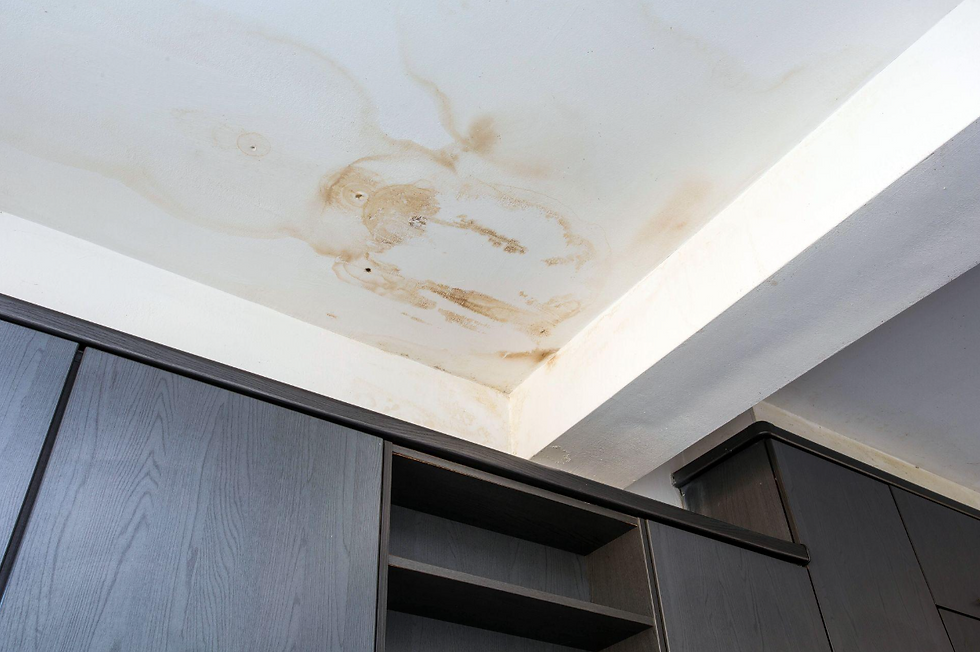
Ceiling stains
Bubbling or peeling paint
Damaged drywall
Warped materials
Discoloration around windows
Musty areas
Previous water damage that was cosmetically repaired without correcting the source may return when rain begins again.
Finding and addressing the source of water intrusion is critical to preventing repeated damage.
7. Inspect Balconies, Patios, and Exterior Walking Areas
Balconies, patios, stairs, walkways, and other exterior areas experience constant exposure to sun and weather.
Look for cracks, deteriorated coatings, damaged materials, loose components, or areas where water could collect.
For commercial and multifamily properties especially, maintaining these areas is also important for occupant and visitor safety.
8. Check Areas Where Materials Meet
Transitions between building materials deserve extra attention.
Windows meeting stucco, rooflines meeting walls, pipes penetrating exterior surfaces, balconies connecting to buildings, and other transitions often rely on flashing, waterproofing, or sealants to help keep moisture outside.
If those materials deteriorate, water may find a way into the building.
These vulnerable areas are often easy to overlook until a leak develops.
9. Do Not Wait for Rain to Confirm You Have a Problem
One of the biggest mistakes property owners can make is knowing about a vulnerable area but deciding to “see what happens” when it rains.
Once water enters a building, the repair may no longer involve only the exterior.
Water intrusion can affect drywall, insulation, flooring, ceilings, framing, finishes, and other materials. Depending on the extent of the damage, restoration and reconstruction may then be necessary.
Taking care of a smaller exterior repair while conditions are dry may help prevent a much larger project later.
Get Your Property Ready Before Rain Returns
Southern California's long dry season can make it easy to forget about leaks and weather related property damage.
But September is the perfect time to remember what happened during last year's storms and take care of vulnerable areas before the cycle begins again.
At Horn’s Construction, we help residential and commercial property owners repair, restore, remodel, and protect their properties. Whether you are dealing with damaged exterior materials, previous water intrusion, structural repairs, or a larger construction project, our team believes in identifying the source of the problem and doing the work right the first time.
If something around your property does not look right, contact Horn’s Construction before the first heavy rain arrives. Taking action now can make a major difference later.


Comments